

led mirror glass
Replacing a Water Valve A Step-by-Step Guide Water valves are essential components in your home's plumbing system, controlling the flow of water to various fixtures and appliances. Over time, these valves can wear out, leak, or become damaged, necessitating replacement to ensure the efficiency and safety of your plumbing. Here, we provide a comprehensive guide on replacing a water valve, including the different types of valves, tools required, and step-by-step instructions. Types of Water Valves Before diving into the replacement process, it’s essential to understand the various types of water valves you might encounter 1. Gate Valve Typically used for on/off control, gate valves enable full flow when fully open but are not ideal for throttling. 2. Ball Valve Known for its durability and excellent sealing properties, a ball valve is either fully open or fully closed, providing reliable performance. 3. Globe Valve Used for regulating flow, globe valves offer better throttling capabilities compared to gate or ball valves. 4. Angle Valve Commonly used for water supply to fixtures, angle valves allow for more compact arrangements. Tools and Materials Needed To replace a water valve, gather the following tools and materials - Adjustable wrench - Pipe wrench - Screwdriver (flathead and Phillips) - New water valve (matching the type and size of the old one) - Plumber’s tape - Bucket or towels (to catch any residual water) Step-by-Step Instructions 1. Turn Off the Water Supply Locate the main water shutoff valve and turn it off. If applicable, shut off the water supply to the specific fixture or area where the valve is located. replacing water valve 2. Drain the Pipes Open a faucet near the valve you’re replacing to release any residual pressure in the system. This step will also help drain any water left in the pipes. 3. Remove the Old Valve Use an adjustable wrench or a pipe wrench to loosen the fittings on both sides of the valve. Carefully detach the valve from the piping. Be cautious, as residual water may spill out. 4. Clean the Pipe Threads Once the old valve is removed, check the ends of the pipes for any old plumber’s tape or debris. Clean the threads to ensure a good seal with the new valve. 5. Install the New Valve Apply plumber's tape to the threads of the pipe to ensure a watertight seal. Position the new valve in line with the existing pipes, making sure the flow direction matches the old valve. Hand-tighten the fittings before using a wrench to secure them. 6. Reconnect and Tighten Carefully tighten the fittings with your wrench. Ensure not to overtighten, as this could damage the threads or the valve itself. 7. Turn On the Water Supply Slowly turn on the main water supply or the specific valve you shut off earlier. Check for leaks around the newly installed valve. If you notice any dripping, turn off the water and check the fittings for tightness. 8. Test the Valve Open and close the newly installed valve a few times to ensure it operates properly. Monitor for any leakage during and after the testing process. Conclusion Replacing a water valve may seem intimidating, but with the right tools and careful attention to detail, it can be a manageable DIY project. Understanding the types of valves and their functions will help you make informed decisions during the replacement process. Regular maintenance and timely replacement of plumbing parts can save you from more significant issues down the line, such as water damage or costly repairs. Always remember to prioritize safety, and when in doubt, don’t hesitate to consult with a professional plumber.
about
led mirror glass
Understanding the Importance of Main Water Shutoff Valves The main water shutoff valve is a critical component in any plumbing system, often overlooked until the need arises. This valve serves as the primary control for the water supply entering a building, making it vital for both residential and commercial properties. Understanding its function, location, and the implications of its use can save property owners considerable time and money. What is a Main Water Shutoff Valve? The main water shutoff valve is the valve that controls the flow of water from the municipal supply line into a building. It is usually located close to the point where the water line enters the property. In residences, this is often found in the basement, crawl space, or near the perimeter of the house. In commercial settings, the shutoff valve might also be located in a utility room or in an outside meter pit. Why is it Important? 1. Emergency Control The primary purpose of the main water shutoff valve is to provide an immediate means to halt the water supply in case of an emergency, such as a burst pipe or a malfunctioning appliance . By shutting off the valve, homeowners and property managers can prevent significant water damage, which can lead to costly repairs and mold infestations. 2. Repair and Maintenance When performing plumbing repairs or maintenance, it is crucial to shut off the water supply to avoid unnecessary spills or flooding. Knowing where the shutoff valve is located and how to operate it can expedite the repair process and minimize the potential for water damage. 3. System Testing For property owners looking to test the plumbing system's integrity, being able to shut off the main water supply is essential. It allows them to evaluate the system for leaks or inefficiencies without water flowing through the system. How to Locate and Operate the Valve main water shutoff valve Locating the main water shutoff valve in your property is the first step to ensuring you can react swiftly in case of an emergency. It’s often a round or lever-style valve made of brass or PVC. To operate the valve, simply turn it clockwise to shut off the flow of water. If it’s a lever valve, turn it perpendicular to the pipe for a complete shutoff. Tips for Homeowners 1. Regular Inspection Conduct regular checks of the valve to ensure it operates smoothly. If you find that the valve is difficult to turn or shows signs of corrosion, it’s advisable to replace it to ensure reliability. 2. Mark Your Valve Clearly marking the location of your main water shutoff valve can be a lifesaver in emergencies. Consider using a brightly colored sticker or tag to help others in your household or building quickly locate it. 3. Educate Your Family Make sure everyone in your home knows the location of the main shutoff valve and how to operate it. Conduct a brief training session to familiarize them with its importance and functionality. 4. Consider Upgrades If your home has an older valve, consider upgrading to a more modern shutoff system. Newer valves may offer better reliability and ease of use. Conclusion The main water shutoff valve is more than just a piece of plumbing; it is an essential tool for the protection of your property. By understanding its functions and ensuring it is accessible and operational, homeowners can safeguard their property against the damaging effects of water leaks and flooding. Taking the time to familiarize oneself with this critical component can lead to prompt action and potentially save thousands in damages.
-

High quality industrial productsagement

High quality industrial products
View Details -

Meet the diverse needs of customers

Meet the diverse needs of customers
View Details -

Strict quality control

Strict quality control
View Details -

Top raw materials

Top raw materials
View Details -

Trusted supplier

Trusted supplier
View Details
Our application
news and information
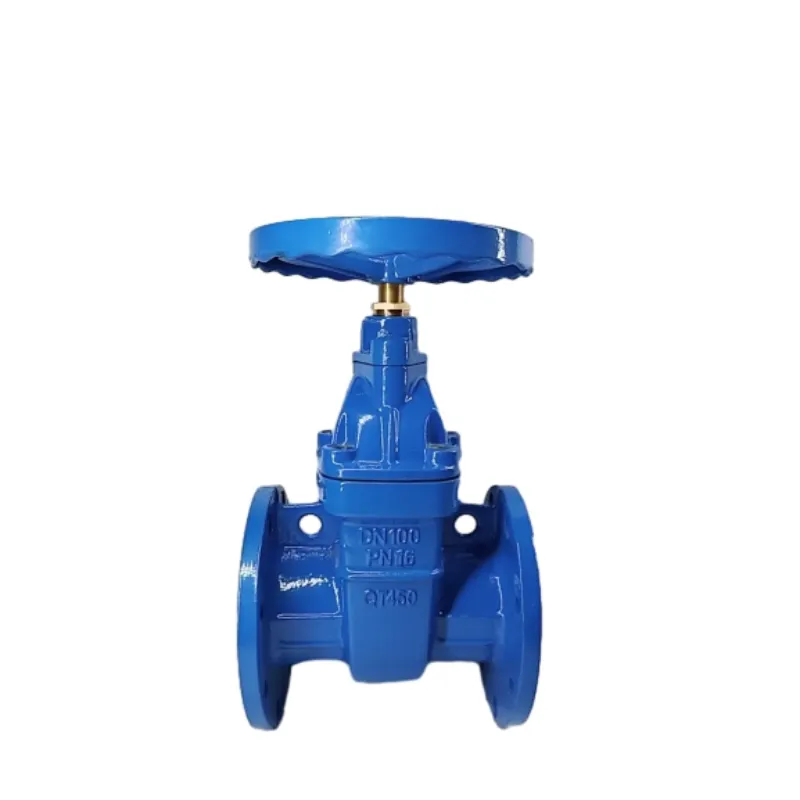
water valve replacement
Water Valve Replacement Ensuring Optimal Performance in Your Plumbing System Water valves play a cri

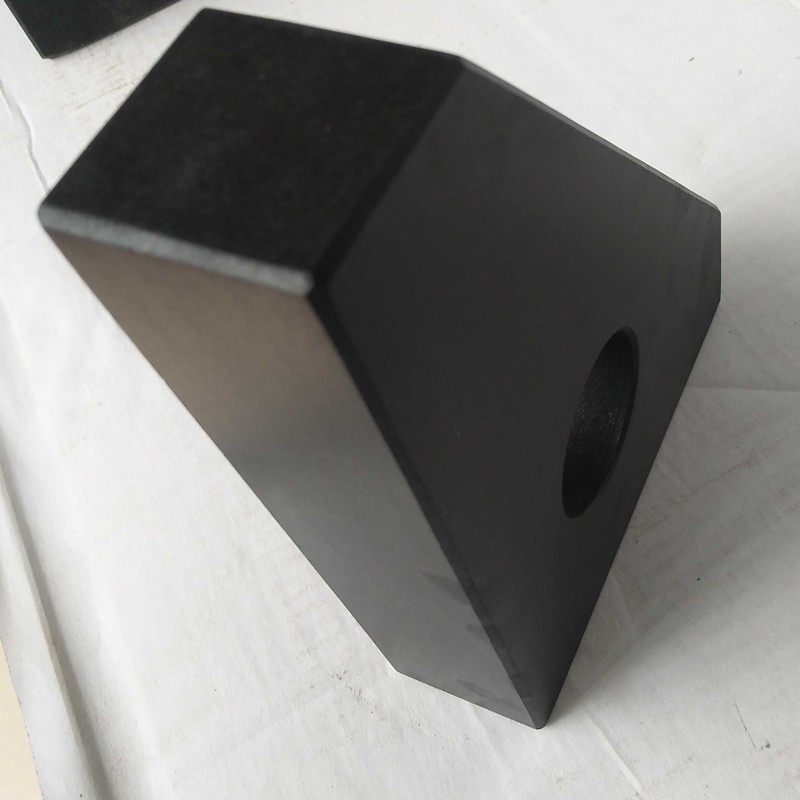
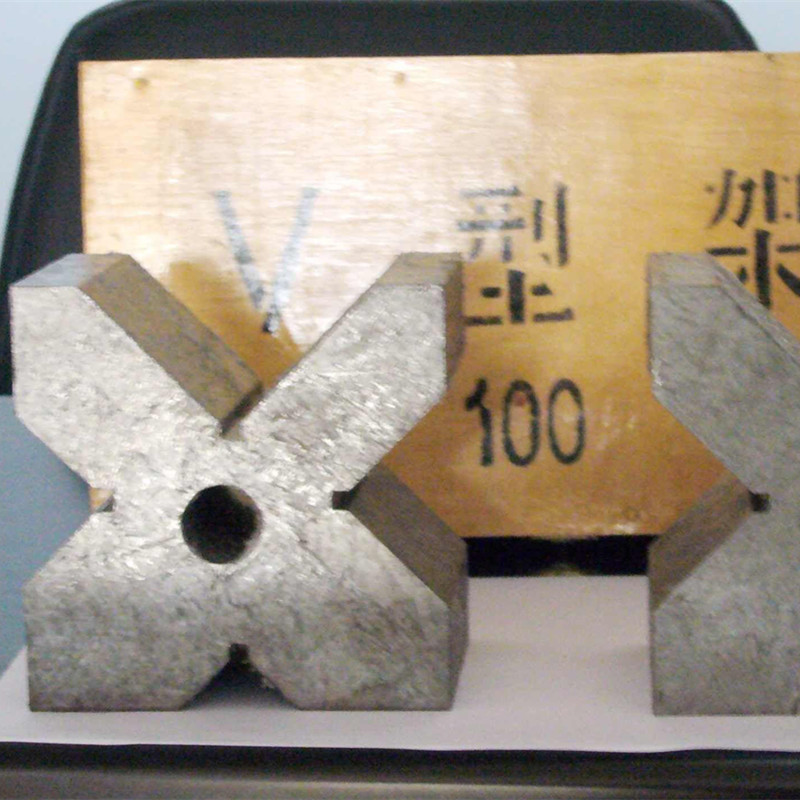
Versatile Granite Angle Plate for Precision Machining and Workholding Solutions
Understanding Granite Angle Plates A Key Tool for Precision Measurement In the realm of manufacturin
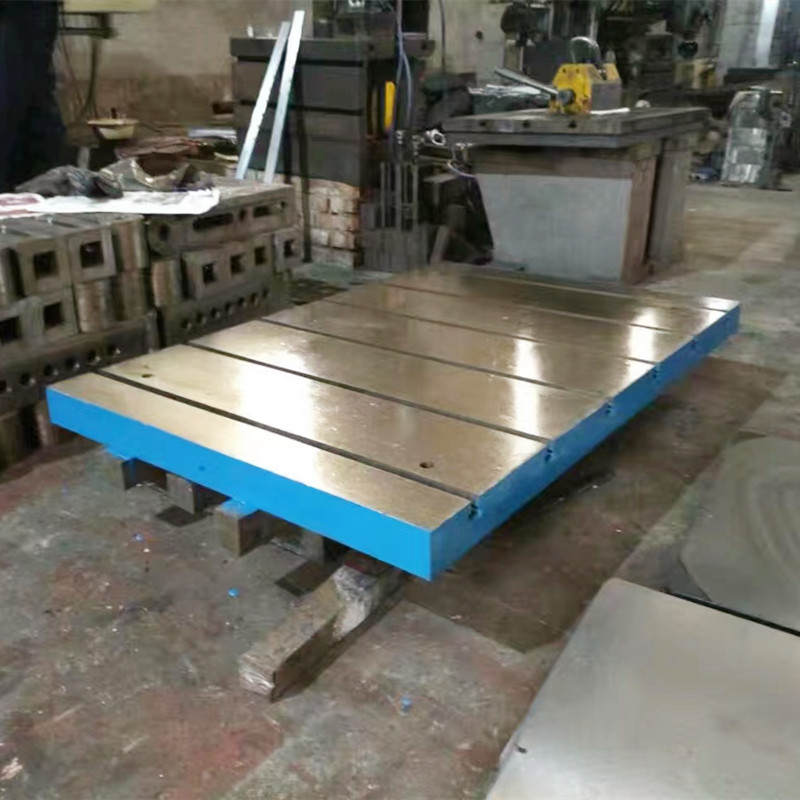
Versatile 4x8 Welding Table for Precision Metalwork and Fabrication Projects
The Versatility of a 4x8 Welding Table In the world of metalworking and fabrication, the importance
 English